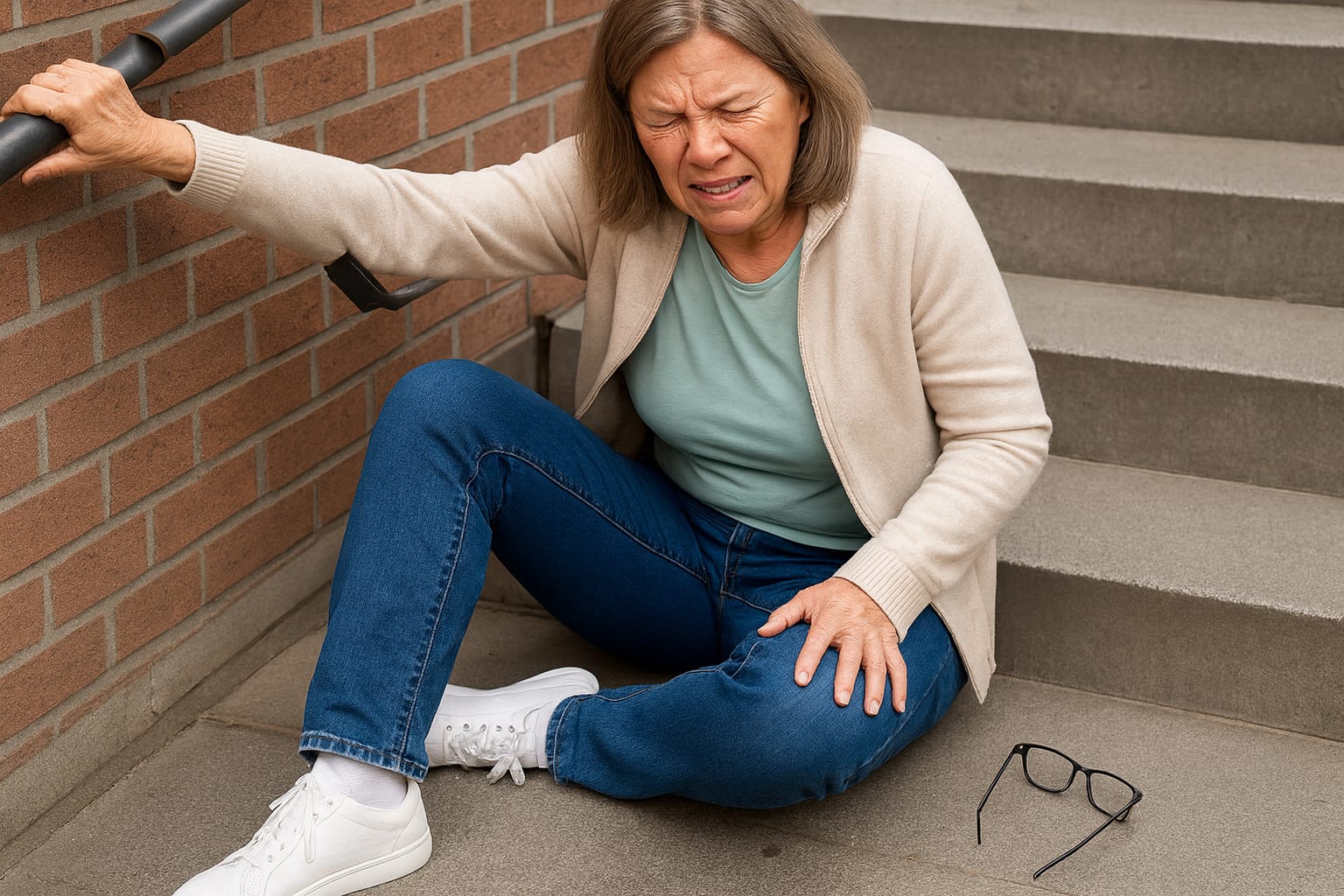
If you were injured at a friend’s house, you’re probably dealing with more than just the injury itself. There’s often confusion about who is responsible, whether insurance covers it, and how to handle the situation without damaging the relationship.
Many people hesitate to take action because they don’t want to “sue a friend.” But in most cases, a claim is handled through the homeowner’s insurance policy, not your friend personally.
If you are injured at a friend’s house, the homeowner may be legally responsible if their negligence caused the injury. In most cases, compensation comes from the homeowner’s insurance policy, not their personal finances. These claims typically depend on whether the owner knew about a hazard and failed to fix or warn you about it.
If you fall at a friend’s house, their homeowner’s insurance may cover your medical expenses through medical payments coverage or personal liability coverage. The homeowner may be legally responsible if they knew about a dangerous condition and failed to fix or warn you about it. Filing a claim goes through their insurance, not against your friend personally.
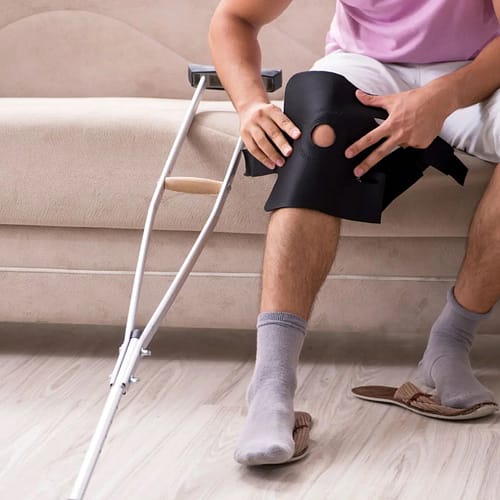
If you are injured at a friend’s house, the homeowner may be legally responsible if their negligence caused the accident. That means they knew about a dangerous condition and failed to fix it or warn you about it.
Homeowner’s insurance generally covers guest injuries. Most standard policies include medical payments coverage and personal liability coverage. The claim goes against the insurance policy, not your friend’s personal assets.
In most cases, you do not need to sue your friend directly. Most claims resolve through negotiation with the insurance adjuster. These types of cases happen across the country, including in Illinois and cities like Chicago, where premises liability laws follow the same general framework. Keep in mind that deadlines apply, so acting promptly matters.
A homeowner may be legally liable for your injury if they failed to keep their property reasonably safe and that failure caused your accident. Premises liability law does not hold homeowners responsible for every injury, but it does apply when they knew about a hazard and did nothing about it.
When you visit a friend’s home for dinner, a party, or a casual visit, you are legally considered a social guest, sometimes called a licensee. In that role, the homeowner owes you specific legal duties toward guests on their property:
Liability applies when the homeowner knew about a hazard and failed to fix it, remove it, or warn you about it. Common examples include stairs without handrails, wet floors without any warning, poor lighting in walkways, and aggressive pets that were not contained.
Insurance companies often raise the “open and obvious” defense, arguing the hazard was visible enough that you should have avoided it. This defense has limits. It does not apply if the homeowner should have anticipated that you would not notice the hazard, or if the hazard was visible but still unreasonably dangerous. To understand what proving negligence requires in your specific situation, speaking with an attorney is the most reliable next step.
Yes. Most standard homeowner’s insurance policies are designed to cover exactly this type of situation. There are two types of coverage that may apply:
Some situations are not covered. Common exclusions include:
The claims process generally works like this: you notify the homeowner about what happened, they report the incident to their insurer, and the insurance company investigates by reviewing medical records, interviewing the parties involved, and assessing the hazard. From there, the insurer makes an offer, and negotiations begin. Most cases settle without going to court. Understanding the full range of types of damages in personal injury cases can help you evaluate whether any offer is fair before you accept it.
Your legal rights after an injury depend on your status as a visitor. The law recognizes three main categories, each with a different level of protection:
Knowing your visitor status matters because it determines what you need to prove to recover compensation. Most slip and fall claims follow the same framework, whether the injury happens at a private home or a commercial property.
The steps you take immediately after the injury can protect both your health and your ability to recover compensation later:
These are the same steps after an injury that apply in any premises liability situation, whether the accident happened at a private home or somewhere else.

In most cases, no. Filing a claim does not mean suing your friend personally. The claim goes against their homeowner’s insurance policy, not their personal finances. Your friend pays nothing out of pocket.
When you file a claim, your friend notifies their insurance company, and an adjuster takes over the investigation and negotiations from there. This is exactly what homeowner’s insurance exists for. Your friend has been paying premiums specifically to protect themselves and their guests from situations like this.
Using that insurance is not an attack on the friendship. It is the system working the way it was designed to work. Downplaying your injuries to avoid an awkward conversation can leave you with significant medical debt and lost income that you should never have had to absorb. Understanding the full range of types of damages in personal injury cases can help you see what fair compensation actually looks like.
If the insurance company pays, the situation resolves through the insurer, not through a dispute between you and your friend. An honest conversation about what happened and what you need is usually enough to get the process started.
A premises liability lawyer can make a significant difference in how your claim is handled. You should consider speaking with one if any of the following apply:
An attorney acts as a buffer between you and the insurance company. They handle the legal arguments, gather evidence, send your medical records to the insurer, and negotiate on your behalf. Insurance adjusters handle claims every day and are trained to minimize payouts. Without legal representation, you may accept a settlement that does not reflect what your claim is actually worth.
The attorney’s job is to deal with the insurer, not to create a conflict with your friend. A personal injury lawyer can help you understand your options and move the process forward without putting your friendship in the middle of a legal dispute.

Thompson Law offers injury victims a Free Consultation with No Fee Unless We Win. If you were hurt at a friend’s house and are unsure about your rights, what the insurance covers, or how to move forward without damaging the relationship, we can help you understand your options before the insurer sets the terms.
Contact us today to speak with a premises liability lawyer at no cost and no obligation.
The homeowner may be legally responsible if their negligence caused the injury, meaning they knew about a dangerous condition and failed to fix it or warn you about it. Financial responsibility typically falls on the homeowner’s insurance policy, not your friend’s personal finances.
Yes. Most standard policies include medical payments coverage, which covers medical bills regardless of fault, and personal liability coverage, which covers medical bills, lost wages, and pain and suffering if the homeowner is legally at fault.
Yes, you have the right to file a premises liability lawsuit. In most cases, however, a lawsuit is unnecessary. The claim is handled through the homeowner’s insurance company. A lawsuit is a last resort if the insurance company refuses to offer fair compensation.
If the homeowner has no insurance, your options become more limited, but do not disappear. You may be able to use your own health insurance to cover immediate medical costs. In some cases, you may have grounds to pursue a claim directly against the homeowner’s personal assets, though collecting on that type of judgment can be difficult.
The most important evidence includes photos of the hazard and scene, photos of your visible injuries, witness names and contact information, medical records and bills, documentation of missed work, and any written communication with the homeowner or their insurance company.
Sí. Si te lastimaste en casa de un amigo o familiar, puedes recibir ayuda legal en español. Un abogado puede explicarte tus derechos y ayudarte a presentar un reclamo ante la compañía de seguros. Contáctanos para una consulta gratis, sin pagos a menos que ganemos.





Thompson Law charges NO FEE unless we obtain a settlement for your case. We’ve put over $2.1 billion in cash settlements in our clients’ pockets. Contact us today for a free, no-obligation consultation to discuss your accident, get your questions answered, and understand your legal options.
State law limits the time you have to file a claim after an injury accident, so call today.