After a car accident in Dallas, you need three things quickly: your official crash report from the Dallas Police or the Dallas County Sheriff’s Office, medical documentation from a trauma center, and help tracking your towed vehicle through the Dallas Auto Pound. Crash hotspots include Uptown, LBJ, Oak Cliff, Deep Ellum, and Downtown.
These car accident resources Dallas drivers need most take real time to track down, and that’s the gap a lawyer closes while you focus on recovering.
How to Get Your Dallas Crash Report
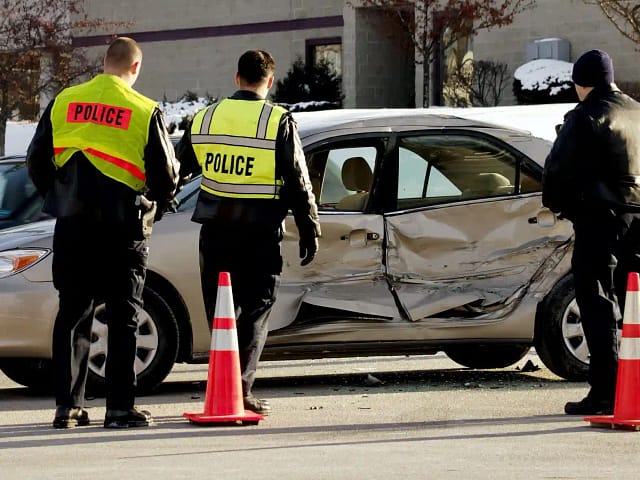
Get your Dallas crash report from one of three agencies, depending on where the crash happened. The report lists every driver, vehicle, and insurance policy involved, along with the responding officer’s observations about what happened.
- Dallas Police Department: handles crashes within the city limits of Dallas. File through the Open Records Portal for a $6 fee, and have your report number, crash date, and location ready. Reports typically take several days to post online.
- Dallas County Sheriff’s Office: handles crashes outside city limits but still within Dallas County. Note the roadway and mile marker at the scene, and confirm which agency responded before you file.
- TxDOT CRIS portal: the statewide option if you’re not sure which agency filed. Standard reports cost $6, certified copies cost $8, and officer uploads can take 10 to 14 days.
If handling three separate portals feels like a lot on top of recovering, an attorney can request these records directly. That single call often saves days compared to chasing three agencies on your own.
Once you know which agency responded, the guide on how to get your Dallas crash report walks through the exact steps for each one.
Which agency filed your report also affects your claim under Texas personal injury law, and Dallas adds its own layer of rules on top of that, covered under Dallas car accident claims.
Dallas Hospitals and Trauma Care After a Crash
Four Dallas hospitals handle trauma care after a crash, starting with Parkland Memorial’s Level I trauma center. Even if you feel fine, get checked out the same day, since neck, back, and head injuries often surface hours or days later, and ER records become key evidence in a Dallas injury claim.
- Parkland Memorial Hospital: the region’s Level I trauma center, equipped for the most severe injuries.
- Baylor University Medical Center: a major trauma and emergency care hub near downtown.
- Methodist Dallas Medical Center: serves North Oak Cliff and the surrounding areas.
- Texas Health Presbyterian Hospital Dallas: covers North Dallas emergency care.
Before you leave, ask these four things:
- Which symptoms mean you should come back: get a clear list of red-flag signs, not just “come back if it gets worse.”
- Which specialists do you need and by when: referral timing affects both recovery and your claim.
- How to request your records and imaging: ask for the exact process now, because you’ll need copies later.
- Whether you need work or activity restrictions in writing: verbal advice doesn’t document anything.
ER and urgent care records are what connect your injury to the crash. Insurers point to any gap in treatment as proof the injury was unrelated or minor, so same-day care removes that argument before it starts.
Towing and the Dallas Auto Pound
After many crashes in Dallas, police tow the vehicle straight from the scene, usually to the Dallas Auto Pound. Retrieve it quickly. That way, you protect both your transportation and the evidence inside.
- Bring ID and proof of ownership: the pound won’t release your vehicle without both, so have them ready before you go.
- Photograph every side before repairs or disposal: damage patterns can support your claim, and once the car is fixed or scrapped, that evidence is gone.
- Ask about storage duration and daily fees: costs add up fast, and some pounds start charging within a day or two.
- Preserve the vehicle when the case is serious: in disputed-fault, serious-injury, or defect cases, an attorney can request that the vehicle remain intact until an expert photographs it or inspects it.

Dallas Crash Hotspots by Neighborhood
Dallas car accident statistics show some neighborhoods see far more crashes than others, and the patterns differ by area: left turns in Uptown, pedestrian risk in Deep Ellum, high-speed ramp crashes on LBJ.
- Uptown: the crash pattern centers on left turns, driven by heavy nightlife traffic and rideshare pickups that stop suddenly mid-block. Drivers leaving bars late at night add another layer of risk. If you’re hurt here, save any rideshare app timestamps and look for restaurant or bar security footage nearby.
- Oak Cliff: exit-ramp collisions are common, as freeway traffic merges into construction zones and school-zone slowdowns with little warning. Confusing lane closures make rear-end crashes frequent. Photograph any construction signage, or the lack of it, right after the crash, since missing signs often become the central issue in these claims.
- Deep Ellum: crashes mostly involve pedestrians, especially around parking garages and rideshare pickup zones, which are packed with foot traffic. Drivers backing out of garages or double-parked rideshare vehicles create blind spots. Parking garage security cameras and rideshare driver logs are key evidence here.
- Downtown: the one-way street grid leads to a steady pattern of wrong-way turns and T-bone crashes, especially when delivery trucks block sightlines. Confusing signage poses a real risk to out-of-state drivers involved in Dallas crashes who misjudge the pattern. Note the exact one-way signs at the intersection right after the crash.
- North Dallas and LBJ: high-speed rear-end and ramp crashes are common when merging traffic moves faster than the exit lanes can handle. The area around I-635 and Skillman Street is consistently named one of Dallas’s highest-crash intersections, along with stretches of Northwest Highway. Save any dash cam footage, since speed disputes are common in these claims.
- South Dallas: crashes cluster around school zones and transit routes, where pedestrians crossing near bus stops face real risk from drivers rushing through reduced-speed areas. Missed school zone timing is a frequent factor. Check for nearby transit camera footage and confirm the exact school zone hours in effect at the time.
Victim Support and Mental Health Resources in Dallas
Dallas offers crash victims free and low-cost mental health support through three main resources. Anxiety, sleep problems, and driving fear are common after a serious crash, and they’re treatable.
- Dallas PD Victim Services Unit: connects crash victims with counseling referrals and short-term crisis support.
- North Texas Behavioral Health Authority (NTBHA): offers mental health services across the region, including sliding-scale options.
- Metrocare Services: runs clinics across South Dallas for ongoing counseling and psychiatric care.
The legal and insurance side of a claim takes real energy. A car accident lawyer can carry that load instead, so recovery gets easier.
What to Do After a Crash in Any Dallas Neighborhood
The same six steps protect your evidence and your claim no matter which Dallas neighborhood your crash happened in.
- Call 911 and report the crash: even for minor damage, this creates the official record that everything else depends on, including your crash report number.
- Get medical care the same day: same-day treatment ties your injury directly to the crash, and any gap gives an insurer room to argue otherwise.
- Gather evidence at the scene: photos, video, and anything that shows how the crash happened, from vehicle positions to road conditions.
- Collect driver and witness information: names, phone numbers, and insurance details before anyone leaves, since witnesses are hard to track down later.
- Notify your insurer briefly: report the basic facts without guessing at fault or giving a recorded statement until you’ve had time to think it through.
- Contact a Dallas car accident lawyer: especially if fault is disputed, your injuries go beyond a quick recovery, or the insurer starts pushing for a fast settlement.
Our guide on what to do after a car accident in Dallas breaks each of these steps down further.
The first 14 days set the pace for your entire claim:
- Confirm your crash report number and calendar its availability date, because most reports take several days to post.
- Request the report as soon as it posts, before footage or other evidence gets overwritten.
- Attend every follow-up appointment, even ones that feel routine.
- Keep a daily symptom log, noting pain levels and limitations.
- Save every receipt, including small ones like parking or medication.
- Photograph your vehicle before repairs start.
- Limit social media posts about the crash or your recovery.
These rules apply in the same way across Texas. For the state-level basics, see what to do after a car accident in Texas.
Get a Free Case Review From a Dallas Car Accident Lawyer
We offer a Free Consultation with No Fee Unless We Win, so you can protect your evidence, your medical documentation, and your claim value before the insurer sets the terms. Our team handles your crash report, coordinates with insurers, preserves evidence, and manages Dallas County court filings if your case needs to go that far. Contact us to get your case reviewed.
Frequently Asked Questions About Dallas Car Accident Resources
How do I get my Dallas Police crash report online?
File through the Dallas Police Open Records Portal for a $6 fee, with your report number, crash date, and location ready. Reports typically post within several days.
Which Dallas hospitals have a Level I trauma center?
Parkland Memorial Hospital is Dallas’s Level I trauma center. Baylor University Medical Center, Methodist Dallas, and Texas Health Presbyterian Dallas also provide emergency trauma care.
How do I find my towed car after a Dallas accident?
Most vehicles towed from Dallas crash scenes go to the Dallas Auto Pound. Bring government-issued ID and proof of ownership to release it.
Do I have to pay for a crash report in Texas?
Yes. Standard reports cost $6 through Dallas Police, the County Sheriff, or TxDOT CRIS. Certified copies through TxDOT cost $8.
What are the most dangerous roads and intersections in Dallas?
I-635 and Skillman Street consistently ranks among Dallas’s highest-crash intersections, along with stretches of Northwest Highway and the LBJ Freeway corridor.
What should I do in the first 14 days after a crash in Dallas?
Confirm your crash report number, attend every follow-up appointment, keep a daily symptom log, save receipts, and photograph your vehicle before repairs.
Can I still recover compensation if I was partially at fault in Dallas?
Yes, as long as you’re found less than 51% at fault. Your compensation gets reduced by whatever percentage of fault you’re assigned.
¿Hablan español y pueden ayudarme después de un accidente en Dallas?
Sí, contamos con abogados que hablan español y podemos ayudarte tras un accidente en Dallas. Contáctanos para hablar con nuestro equipo. La consulta es gratis y no cobramos a menos que ganemos tu caso.