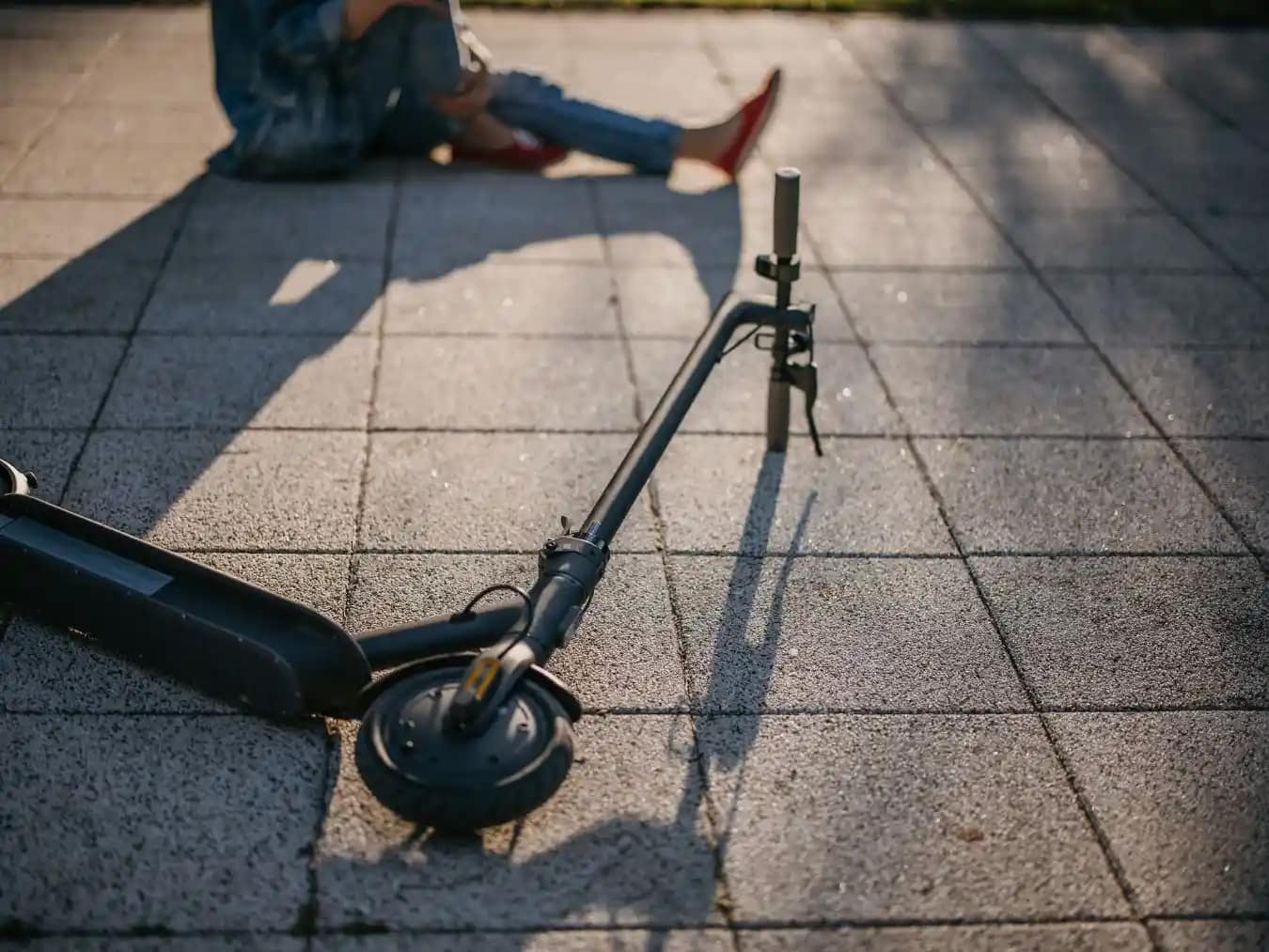
In Arizona, liability for a broken sidewalk falls on the adjacent property owner, the city, or the local municipality, depending on who owns the sidewalk and who had the legal duty to maintain it. Many Arizona cities require abutting property owners to maintain sidewalks, shifting responsibility away from the government.

Responsibility for a broken sidewalk in Arizona is determined by location, ownership, and local ordinance, not by assumption.
Three parties can be liable, depending on the facts:
Not every city follows the same model. Flagstaff uses a split-cost program that shares repair responsibility between the city and adjacent owners. The applicable ordinance in the city where the injury occurred controls who is responsible.
Tucson residents filing a sidewalk injury claim face the same ordinance-based liability rules as those in Phoenix. In both cities, Arizona personal injury claims for sidewalk injuries typically run against the adjacent property owner first. Tucson personal injury lawyers handle these cases regularly alongside those involving city-maintained paths.
When liability is shared or unclear, personal injury lawyers can identify all responsible parties and ensure no deadline is missed.
The city is liable for a broken sidewalk when it abuts public land, such as a park, library, or government building, or when no local ordinance shifts the maintenance duty to a private owner.
City liability also requires proof that the municipality knew or should have known about the defect. A city that received a 311 complaint about the hazard, had it in a maintenance log, or had documented prior repair requests cannot claim it lacked notice.
To establish that notice, preserve, or request:
Even when a Phoenix or Tucson ordinance shifts maintenance to adjacent property owners, the city may still share liability if it created or contributed to the hazard. A city utility project that cracked the sidewalk and was never repaired is one example where shared liability applies.
If a government entity is responsible for the sidewalk, Arizona law requires a formal Notice of Claim within 180 days of the injury. Missing this deadline permanently bars compensation, regardless of how strong the case is.
Under A.R.S. § 12-821.01, the notice must include specific facts about the incident, a description of the injuries, and the exact dollar amount the claimant is willing to accept as settlement. This is a formal legal document, not an informal complaint letter. An incomplete notice can be rejected.
The 180-day clock starts on the date of injury, not the date the claimant discovers who is responsible. Investigating ownership and ordinance status takes time, which is why acting immediately after the injury matters.
Claims against private property owners follow a different timeline. The standard statute of limitations under A.R.S. § 12-542 gives two years from the date of injury to file. If both a government entity and a private owner are potentially liable, the 180-day deadline controls the government portion of the claim.
The same shortened deadline applies to other injury claims involving government property, including a slip and fall in a government building.

Yes. Arizona follows pure comparative negligence under A.R.S. § 12-2505, meaning you can recover damages even if you were partially at fault for the fall.
Fault percentage reduces the award but does not eliminate it. If you are found 30% at fault on a $100,000 claim, you recover $70,000. No threshold cuts off recovery entirely under Arizona law.
Two tactics commonly used to increase your fault percentage:
The strongest sidewalk injury claims in Arizona are built on photos of the defect, witness contact information, a police or incident report, medical records, and documentation of prior complaints about the hazard.
Sidewalks are often repaired quickly after an injury is reported. Documentation must happen at the scene, before the hazard is removed. The full checklist of what to do after a personal injury accident applies directly here, including when to seek medical care and how to handle insurer contact.
Broken sidewalk injuries in Arizona are handled as premises liability claims, the legal theory that holds property owners and government entities responsible for maintaining safe conditions for lawful visitors.
The duty of care standard requires the responsible party to have known or should have known about the hazard and failed to address it. That standard applies whether the defendant is a homeowner, a business, or a city agency.
Claims against private property owners follow standard premises liability rules, the same framework used in a parking lot trip and fall. Claims against government entities add the 180-day Notice of Claim requirement and sovereign immunity considerations, which impose procedural requirements that private claims do not.
Shared liability is possible. When a defect involves both city negligence and a private owner’s failure to maintain, both parties can be named. Each is liable for their proportional share under Arizona comparative negligence rules. Proving negligence is required for every defendant named in the claim.

We offer a free consultation and handle every case on a no fee unless we win basis. If you were injured on a broken sidewalk in Arizona, the 180-day Notice of Claim deadline may apply, and acting quickly protects your right to compensation. Contact us before that window closes.
Liability depends on who owns the sidewalk and who had the legal duty to maintain it. Phoenix and Tucson ordinances place that duty on adjacent owners. When the sidewalk abuts public land, the city is responsible.
Government claims require a Notice of Claim within 180 days under A.R.S. § 12-821.01. Claims against private property owners have two years under A.R.S. § 12-542.
A Notice of Claim is required before suing a government entity in Arizona. It must state the facts, your injuries, and the exact settlement amount. A late or incomplete notice permanently bars your claim.
Yes. If a local ordinance requires the owner to maintain the sidewalk and they failed to repair a known hazard, they are liable. You file against their liability insurance, not against them personally.
Photograph the defect and injuries immediately, get witness contact information, and seek medical care the same day. Do not give a recorded statement before consulting a lawyer.
Sí. Atendemos casos de lesiones en aceras en Arizona en español. Contáctanos para hablar con uno de nuestros abogados. La consulta es gratis y no cobramos a menos que ganemos tu caso.





Thompson Law charges NO FEE unless we obtain a settlement for your case. We’ve put over $2.1 billion in cash settlements in our clients’ pockets. Contact us today for a free, no-obligation consultation to discuss your accident, get your questions answered, and understand your legal options.
State law limits the time you have to file a claim after an injury accident, so call today.