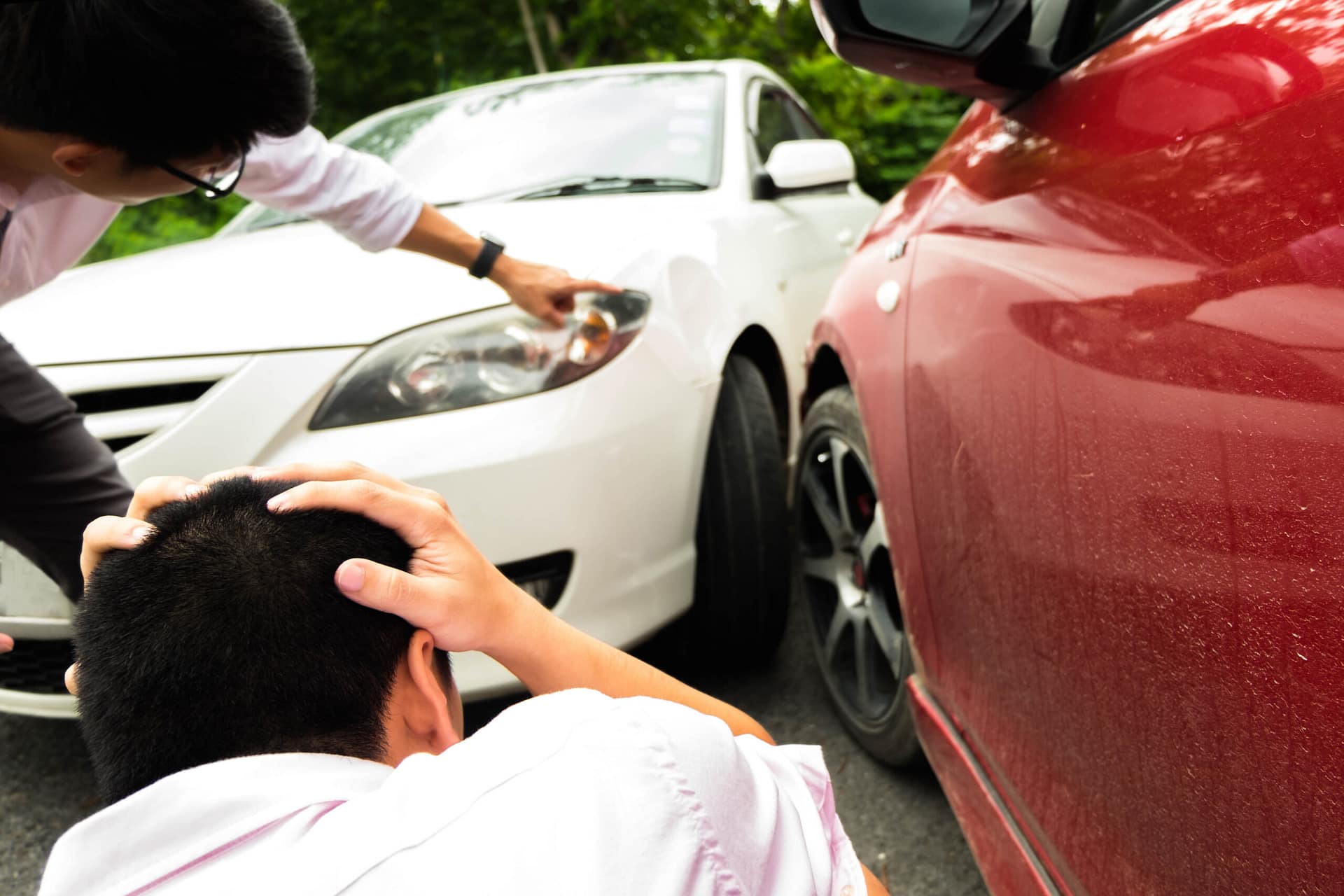
Texas car insurance requirements set minimum liability limits of 30/60/25: $30,000 per person and $60,000 per accident for bodily injury, plus $25,000 for property damage. These minimums often fall short in serious crashes, especially when the at-fault driver carries only the state minimum, and your damages exceed their coverage.
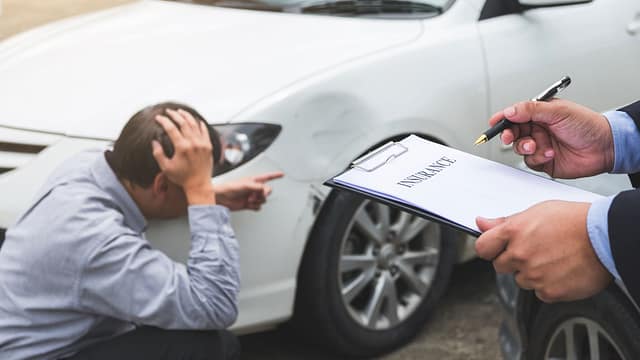
If the at-fault driver only has minimum insurance, their 30/60/25 coverage may not cover your full losses, leaving a gap that may need to be addressed through UM/UIM coverage or a lawsuit.
Texas’s 30/60/25 minimums are only a legal floor under Texas car insurance requirements, not a guarantee that every crash-related loss will be fully paid.
A serious injury claim can quickly exceed the at-fault driver’s available coverage. One hospital stay, emergency surgery, ambulance transport, imaging, follow-up care, and missed work can create losses that exceed the other driver’s policy limits.
Minimum-coverage disputes can affect crash victims across Texas, where Texas personal injury lawyers may review coverage gaps after serious crashes.
These issues can also affect drivers in McKinney and nearby North Texas communities, where McKinney personal injury lawyers may evaluate whether minimum insurance limits, UM/UIM coverage, or litigation options apply.
Texas car insurance includes liability coverage (bodily injury and property damage), collision, comprehensive, PIP, MedPay, and UM/UIM coverage, though only liability is legally required.
Here’s what each type covers:
Drivers comparing basic liability, PIP, MedPay, UM/UIM, and full coverage car insurance can review a general guide to car insurance after an accident in Texas.
Texas minimum car insurance requirements are $30,000 for bodily injury to one person, $60,000 for total bodily injury per accident, and $25,000 for property damage under Texas Transportation Code § 601.072, but these limits often fall short because serious medical bills, multiple injury claims, or major vehicle damage can exceed the available coverage.
| Coverage Type | Minimum Limit | What It Pays For |
| Bodily injury liability per person | $30,000 | Injuries to one person |
| Bodily injury liability per accident | $60,000 | Total injury claims from one crash |
| Property damage liability | $25,000 | Damage to vehicles or other property |
These limits can fall short quickly. A single hospital stay can exceed the per-person bodily injury limit, and a crash involving several injured people can exhaust the per-accident limit before every person is fully paid.
The property damage limit can also be too low when a newer vehicle is totaled or when a crash damages multiple vehicles. Once the at-fault driver’s policy is exhausted, the remaining losses may need to be addressed through UM/UIM coverage or a lawsuit.
Driving without insurance can lead to a first-offense fine of $175 to $350. Repeat offenses can carry fines up to $1,000, possible license and registration suspension, and an SR-22 filing requirement for two years following a conviction.

If you are hit by an uninsured or underinsured driver, your own UM/UIM coverage may step in to help cover losses the at-fault driver cannot pay.
UM coverage applies when the at-fault driver has no insurance, while UIM coverage applies when the driver has insurance but not enough to cover the loss.
The difference matters:
Texas does not require drivers to carry UM/UIM, but insurers must offer it in writing. If the driver does not want the coverage, it must be rejected in writing or it is automatically included.
UM/UIM limits cannot exceed the driver’s own bodily injury liability limits. For a step-by-step look at this situation, review the steps to take after an accident with an uninsured motorist.
Yes, filing a lawsuit after a car accident may become necessary when the at-fault driver’s policy limits under Texas car insurance requirements and your own UM/UIM coverage are not enough to cover the loss.
A lawsuit targets the at-fault driver directly, while a first-party claim goes through your own insurer. This distinction matters when comparing first-party vs. third-party insurance claims after a serious crash.
Texas uses modified comparative negligence. If you are found more than 50% responsible under Civil Practice and Remedies Code § 33.001, you cannot recover damages. If you are 50% or less responsible, your recovery may be reduced by your percentage of fault.
Most claims settle before trial, but the option of suing an at-fault driver in Texas remains available when a fair settlement is not offered. A car accident lawyer can evaluate whether the available insurance, UM/UIM coverage, and recoverable damages justify litigation.
After a crash with a minimum-insurance driver, preserve proof of fault, confirm all available coverage, and avoid settling before the full damage amount is known.

Thompson Law offers McKinney car accident victims a Free Consultation with No Fee Unless We Win to review insurance coverage gaps after a serious crash. If the other driver has only minimum coverage, an attorney can evaluate UM/UIM options, the potential for a lawsuit, and whether the available insurance is sufficient to cover your damages.
If the other driver only has the state minimum insurance, their policy may pay only up to its limits. If your damages exceed those limits, you may need UM/UIM coverage or a lawsuit against the at-fault driver.
No. Texas does not require uninsured motorist coverage, but insurers must offer it in writing. If a driver rejects it, the rejection must also be in writing.
Yes. Suing an at-fault driver in Texas may be an option when their insurance limits and your own available coverage do not fully cover your losses.
Yes, uninsured motorist coverage usually applies when the at-fault driver flees the scene and cannot be identified. Policy terms and notice requirements still matter.
A first-party claim is filed with your own insurer, such as a UM/UIM claim. A third-party claim is filed against the at-fault driver’s insurer.
Sí. Thompson Law ofrece asistencia legal en español para personas con reclamos de seguro tras un accidente en Texas. Puede solicitar una consulta gratuita para revisar su caso. No cobramos a menos que ganemos su caso.





Thompson Law charges NO FEE unless we obtain a settlement for your case. We’ve put over $2.1 billion in cash settlements in our clients’ pockets. Contact us today for a free, no-obligation consultation to discuss your accident, get your questions answered, and understand your legal options.
State law limits the time you have to file a claim after an injury accident, so call today.