After a dog bite, get medical care, clean the wound, report the bite to animal control, document the dog and your injuries, and preserve evidence like photos and witness contact info. Avoid recorded statements to the insurer until you understand your options. A dog bite lawyer can help protect evidence and pursue compensation if the bite caused medical bills, missed work, or scarring.
Print This Quick Checklist (Save It on Your Phone)
Use this checklist right away:
- Get to a safe place away from the dog
- Wash the wound with soap and running water
- Get medical care (urgent care/ER) if the skin broke
- Take clear photos of the bite and the scene
- Get the dog owner’s name, address, phone, and vaccination info
- Report the bite to local animal control or police (non-emergency line)
- Write down what happened while it’s fresh
- Save clothing and don’t clean blood-stained items yet
- Do not give a recorded statement to any insurance company right away
If you need help after a bite, you can learn more here: Dog Bite Lawyer.
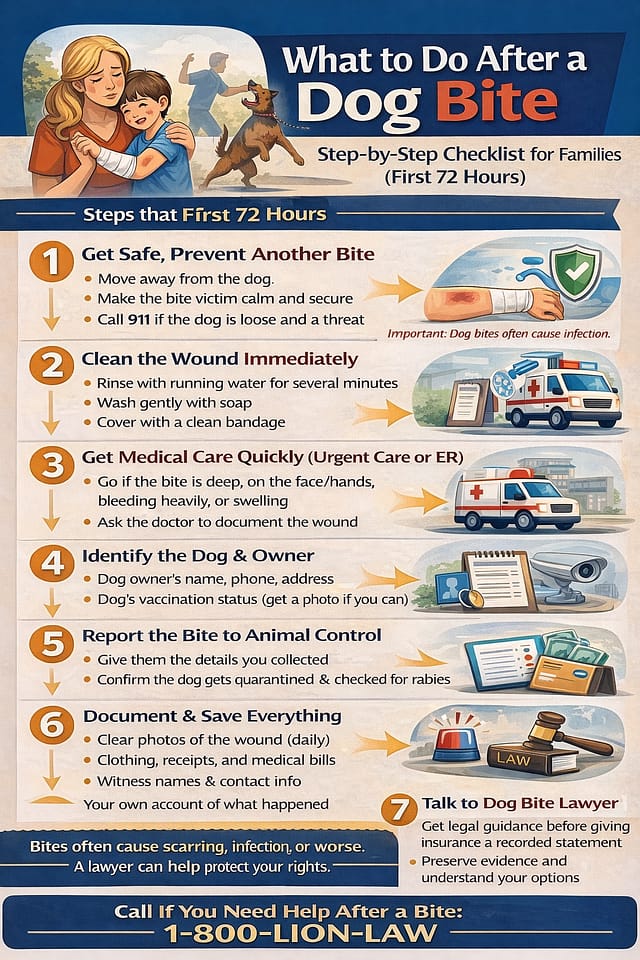
Step 1: Get Safe and Prevent a Second Bite
Your first job is safety.
- Move away from the dog and into a secure area.
- If a child was bitten, keep them calm and still.
- If the dog is loose and still a threat, call 911.
Step 2: Clean the Wound Immediately (Even Before You Drive)
For most bites, quick cleaning reduces infection risk.
- Rinse the wound under running water for several minutes.
- Wash gently with soap around the area.
- Cover with a clean bandage.
- Don’t apply harsh chemicals directly into deep punctures.
Important: Dog bites can cause infection even when the wound looks small.
Step 3: Decide Whether This Is Urgent Care or ER
Go to urgent care or the ER if:
- The bite is deep, gaping, or bleeding heavily
- The bite is on the face, hand, foot, neck, or genitals
- You see numbness, weakness, or limited movement
- The victim is a child, elderly, or immunocompromised
- The dog’s rabies vaccination status is unknown
- There are signs of infection (spreading redness, warmth, pus, fever)
Ask the provider to document:
- Location and size of the wound
- Whether it’s a puncture, tear, crush injury, or avulsion
- Bruising, swelling, nerve/tendon concerns
- Tetanus status and whether antibiotics were prescribed
Step 4: Identify the Dog and Owner (Without Arguing)
If it’s safe, gather:
- Dog owner’s full name + phone number
- Address where the dog lives
- Dog’s breed/size/color and any identifying details
- Vaccination records (especially rabies)
- If the dog was on a leash or behind a fence
- Whether there were warning signs posted
If the owner refuses to cooperate, don’t escalate. Report it and let animal control handle the legal requirement for vaccination records.
Step 5: Report the Bite to Animal Control (This Protects Your Health and Your Claim)
Many families skip this step and regret it later.
A report helps:
- Verify rabies vaccination status
- Create an official record of the bite
- Document whether the dog has prior incidents
- Trigger required quarantine procedures (depending on local rules)
If you’re not sure who to call, start with your city/county animal control. If they’re closed, call the police non-emergency number.
Step 6: Document Everything Like a “Mini Case File” (10 Minutes That Matters)
Take photos:
- Close-up photos of the wound (same day and daily for a week)
- Wide shot showing where the bite happened
- Torn clothing, blood stains, broken items
- Any lack of leash, open gate, or unsafe conditions
Write down:
- Exact time/date and location
- What you were doing right before the bite
- Whether the dog was provoked (most bites are not)
- Names and contact info for witnesses
- What the owner said immediately after
Keep:
- Medical visit summaries and bills
- Prescriptions, receipts, and out-of-pocket costs
- Work notes and missed time documentation
- A simple pain log (sleep issues, swelling, limits on daily life)
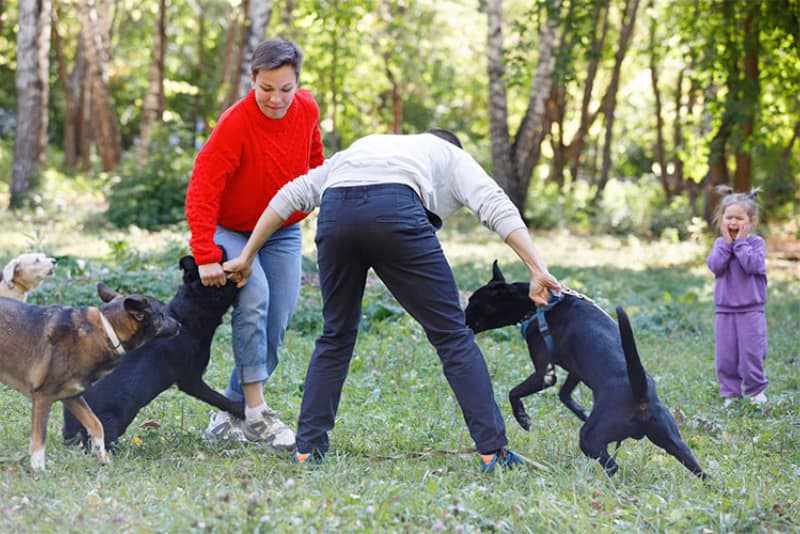
Step 7: What Not to Do After a Dog Bite
Avoid these common mistakes:
- Don’t “wait and see” if the skin broke (infection can develop fast)
- Don’t let the owner “handle it privately” without making a report
- Don’t accept cash and sign anything right away
- Don’t give a recorded statement to insurance immediately
- Don’t post detailed accusations on social media (screenshots get used later)
- Don’t throw away clothing or bandages that show blood
The First 72 Hours: A Simple Timeline
Here’s a clean timeline for families.
In the First 1–2 Hours
- Get safe, wash the wound, bandage it
- Take first photos
- Get the owner’s info and rabies vaccination status (if possible)
Same Day
- See a medical provider
- Report the bite to animal control
- Write down what happened while it’s fresh
Day 2–3
- Follow up if swelling, redness, or pain increases
- Continue taking daily photos
- Request a copy of your animal control report (if available)
- Start a folder for bills/receipts/missed work
What If a Child Was Bitten?
Dog bites to children are often more serious because of size and bite location.
Extra steps for parents:
- Take face/hand bites extremely seriously—go to ER
- Ask the provider about scarring risk and specialist follow-up
- Save school/daycare incident documentation if it happened there
- Consider counseling support if the child has fear, nightmares, or anxiety
When to Talk to a Dog Bite Lawyer
This post is focused on what to do first. But you should talk to a lawyer sooner rather than later if:
- The bite caused stitches, scarring, infection, or a fracture
- The bite was on the face, hands, or involved nerve/tendon damage
- A child was bitten
- The owner is denying what happened
- You’re being pressured by an insurer
- You’re missing work or facing major medical bills
A lawyer can help preserve evidence and guide you before critical details disappear. Learn more here: Dog Bite Lawyer.
Serving clients in:
Atlanta, Dallas, Houston, San Antonio, Los Angeles, Phoenix.
Frequently Asked Questions
Do I have to report a dog bite?
In many areas, reporting is strongly recommended and may be required for public health reasons. Reporting helps confirm vaccination status and creates an official record.
What if I don’t know who owns the dog?
Report the bite and provide the best description you can (photos help). Animal control may be able to locate the dog based on neighborhood reports.
Should I get a rabies shot after a dog bite?
Only a medical professional can advise you. Rabies risk depends on vaccination status, local guidance, and whether the dog can be identified and observed.
Should I talk to the dog owner’s insurance company?
Be careful with recorded statements early on. It’s okay to exchange basic information, but avoid guessing, minimizing injuries, or agreeing to anything before you understand your options.
What compensation might be available after a serious bite?
Cases vary, but bites can involve medical costs, missed work, scarring, and pain. A lawyer can evaluate your situation based on your injuries and documentation.
¿Atienden en español?
Sí. Hablamos español. Podemos ayudar a familias hispanohablantes después de una mordedura de perro.
Talk to Thompson Law About Your Dog Bite (Free Consultation)
If you or your child were bitten, you deserve clear answers and a plan. We can review what happened, explain next steps in plain language, and help protect your rights.
Visit our Thompson Law or contact us for a free consultation.